A BJJ weight cut sounds simple: get on the scale under your division limit, then compete. In practice it is where a lot of competitors lose before the first grip. They drain themselves the week of the event, step on the scale feeling flat, and then have to fight a fresh opponent while dizzy and empty. This guide covers how weigh-ins actually work at IBJJF tournaments, why that changes the math on cutting, and how our competitors in Gallatin, TN pick a division and get there without wrecking themselves.
One note up front: this is general training information, not a medical plan. If you have a health condition, take medication, or are planning to lose a lot of weight, talk to your doctor first.
How Weigh-Ins Work at a BJJ Tournament
Most of what you have heard about weight cutting comes from wrestling, boxing or MMA, where athletes often weigh in the day before and get hours to recover. IBJJF tournaments work differently, and that difference is the whole story.
Under the IBJJF Rule Book (version 6.1, June 2024), the Ring Coordinator checks your ID, sends you to uniform inspection and weighs you before your first match, then sends you to the mat. A few rules matter most:
- You weigh in right before your first match. Not the night before, not that morning at a hotel. You walk off the scale and into the bullpen.
- You get one attempt. The rule book says each athlete steps on the official scale only once.
- You weigh in wearing your uniform. In gi divisions the gi counts toward your weight, and you cannot step on the scale with shoes or anything besides the uniform and equipment you will compete in.
- Miss weight and you are out. IBJJF states plainly that you will be disqualified if you weigh in heavier than the limit for the division you registered in, so the registration fee and the preparation are gone.
Because the gi is on you at weigh-in, your gi itself is part of the cut. Heavier pearl weave gis can weigh noticeably more than light competition gis, so weigh yours at home and know the number. Our post on IBJJF gi and uniform rules covers what makes a competition gi legal. Smaller local events sometimes hold earlier weigh-ins or allow weight checks, so always read the event page before you register.
Why a Hard BJJ Weight Cut Backfires
The fighters who cut big amounts of weight depend on recovery time. They dehydrate to make weight, then spend a day eating and drinking it back. Sports nutrition researchers Reale, Slater and Burke made this point in two 2017 reviews of Olympic combat sports: the time between weigh-in and competition determines how much acute weight loss can be done and then reversed. Less recovery time means less room to cut.
At an IBJJF event you have, for practical purposes, no recovery time. Whatever state you are in on the scale is the state you compete in. That is why the quick dehydration tricks people borrow from other sports work against you here.
Dehydration costs you performance. The American College of Sports Medicine position stand on exercise and fluid replacement (Sawka and colleagues, 2007) sets the goal of preventing water losses above 2 percent of body weight during exercise to avoid compromised performance. For a 170 lb competitor, 2 percent is only about 3.4 lb. Plenty of people try to sweat off more than that the day before a tournament, then wonder why they gassed in the first exchange.
At the extreme, it is dangerous. In late 1997 three collegiate wrestlers in North Carolina, Wisconsin and Michigan died while trying to make weight. A CDC report found that all three were using a similar rapid weight loss routine: exercising hard in hot environments while wearing vapor-impermeable suits, with clear evidence of dehydration and signs that overheating contributed. Afterward the NCAA banned saunas, steam rooms, rubber suits, laxatives, diuretics and self-induced vomiting for making weight, and moved weigh-ins much closer to competition. Those deaths are the reason sweat suits and saunas have no place in a sensible cut.
Step One: Pick the Right Division
Most weight problems are solved before training camp starts, by choosing a division you can make. A good rule of thumb for an IBJJF event: pick the division you can make at or very close to your normal walking weight, in your gi, the morning of the event. If you would need to dehydrate to get there, it is the wrong division for now.
A few questions to ask yourself:
- What do I weigh in my gi on a normal training day? Weigh yourself in the gi you will compete in, at different times of day, for a couple of weeks. Most people swing a few pounds between morning and evening.
- How far am I from the limit below me? If the answer is a handful of pounds of body fat and you have months, dropping a class may be realistic. If it is the day before registration closes, it is not.
- What happens to my game if I am weaker and tired? A strong, rested competitor one class up usually beats a drained version of themselves one class down.
There is also the open class (the absolute division) at many events, where weight does not matter. Some competitors enter their natural weight class and the absolute and never think about cutting at all.
Step Two: Lose Weight Slowly, If You Need To
If dropping a division really makes sense for you, give yourself time and lose fat, not water. The CDC notes that people who lose weight gradually, about 1 to 2 pounds a week, are more likely to keep it off. For a competitor, that pace has another benefit: you keep training hard the whole way down.
That means planning backward from the tournament. If you want to come down 10 lb, start well over two months out, not two weeks. The basics are not exciting, but they work:
- Eat mostly whole foods, with protein at every meal to protect muscle while you lose fat.
- Cut back on liquid calories, alcohol and late night snacking before you cut back on meals around training.
- Keep carbohydrates around hard sessions so you can still train at a high level.
- Sleep. Poor sleep makes appetite harder to manage and recovery slower.
- Weigh in at home in your gi once or twice a week, same time of day, and watch the trend rather than the daily number.
Our friends at Global Martial Arts USA wrote a solid guide to the best diet for BJJ that covers day to day eating for grapplers in more detail. And if your main goal is general fat loss rather than a division, our post on jiu jitsu for weight loss sets realistic expectations.
The Final Week Before Weigh-In
If you picked the right division, the last week should be about recovery and sharpness, not weight. Training volume comes down so you show up fresh. Keep eating normal, familiar food. Keep drinking normally. Do not try new supplements, new diets or anything you read about online the week of the event.
Some competitors who are a pound or two over in the final days eat lighter, lower fiber meals so there is less food in the gut on the morning of the event. That kind of small adjustment is very different from dehydrating, and it is the sort of thing to plan with your coach, not improvise in the parking lot.
What to skip, every time:
- Saunas, steam rooms, hot baths and plastic or rubber sweat suits.
- Diuretics, laxatives, "water pills" or anything that makes you vomit.
- Spitting, chewing gum to drain saliva, or going without fluids for a day.
- Skipping food for a full day before you compete.
On the day itself, bring the gi you weighed yourself in, eat a light familiar meal a few hours before your division, and sip water. If the event has a check scale in the warm-up area, use it before the official weigh-in.
A Note for Parents of Kids Who Compete
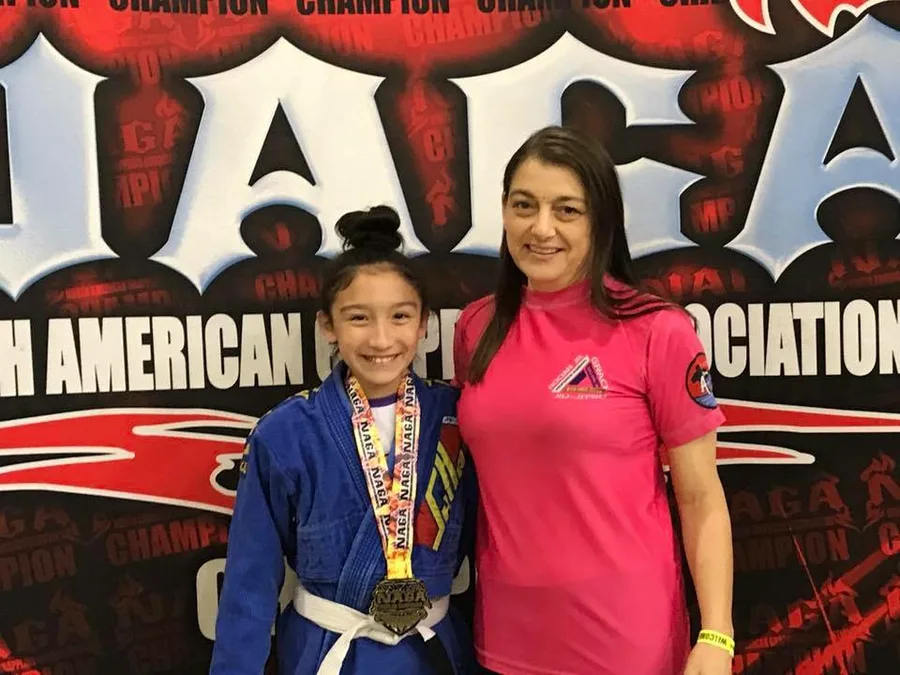
Kids and teens compete in their own age and weight divisions, and the right approach for them is simple: compete at the weight you are. Children are still growing, and cutting weight has no place in youth jiu jitsu. If a child is between divisions, enter the one that fits them as they are that day. If you have questions about your child's weight or nutrition, talk to your pediatrician.
How the GMA Fight Team Handles Weight
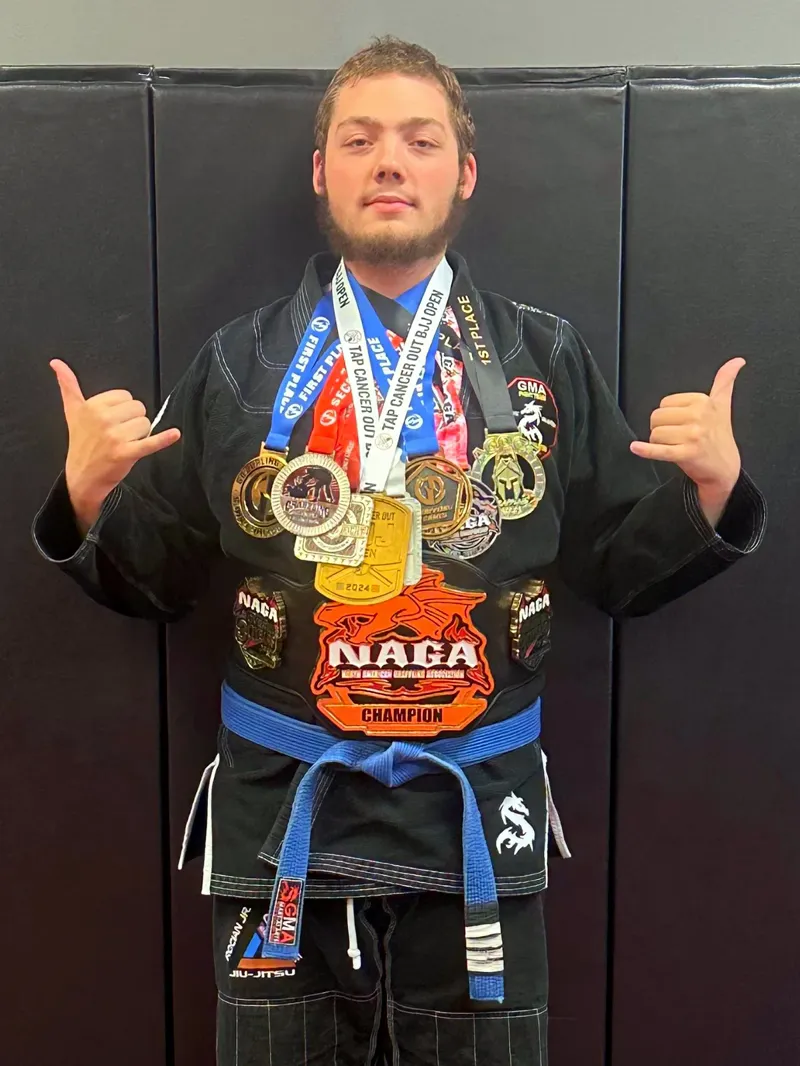
At GMA in Gallatin, making weight is part of competition prep, not a separate crash project. On the GMA Fight Team, weight and conditioning is part of the curriculum, with the goal of making your division safely and still having the gas tank to be dangerous in the last minute. Training is planned around the tournaments on the calendar, which is exactly what gives a competitor time to come down gradually if they need to.
The team trains for IBJJF events plus local and regional tournaments across Tennessee and the surrounding states, under Professor Konrado. Membership is by invitation once you have a solid foundation, and competing is never required to train or progress at GMA. If you have questions about tournaments, gear or tuition, our FAQ page covers the common ones. If you want to compete someday, the first step is the same as for everyone else: a free class.
The short version: choose a division you can make in your gi, lose any extra weight slowly, skip the sweat tricks, and step on the scale ready to compete. And if you are planning a significant weight change or have a health condition, talk to your doctor.
Train With the GMA Fight Team
Competition prep under Professor Konrado in Gallatin, TN, including making weight safely. Start with a free class.
Book Your Free ClassFrequently Asked Questions
When do you weigh in at an IBJJF tournament?
Right before your first match. The Ring Coordinator sends you through uniform inspection and onto the scale, then to the mat, so there is no time to rehydrate after weighing in.
Do you weigh in with your gi on?
Yes, in gi divisions you weigh in wearing your uniform, and you cannot step on the scale with shoes or other items. Weigh yourself at home in your competition gi so you know your real number.
What happens if I miss weight in BJJ?
You only get one attempt on the official scale. If you weigh in heavier than the limit for the division you registered in, you are disqualified.
How much weight should I cut for a BJJ tournament?
Ideally none through dehydration. Pick a division you can make at or near your walking weight in your gi, and if you want to drop a class, lose fat slowly, around 1 to 2 pounds a week, starting months out. Talk to your doctor before a big change.
Does GMA help competitors make weight?
Yes. Weight and conditioning is part of the Fight Team curriculum in Gallatin. The team is by invitation once you have a solid foundation, and your first class is free.